Fake or Fortune?
Journalist Fiona Bruce teams up with art expert Philip Mould to investigate the provenance or attribution of notable artworks.
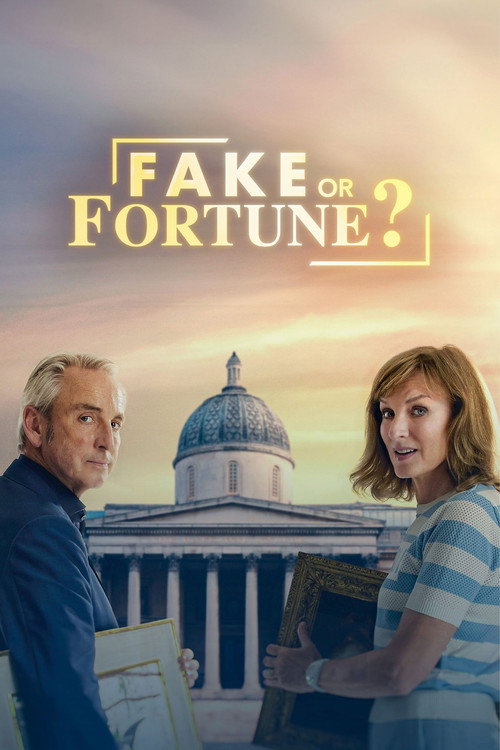
Investigations involving Vuillard, Constable, Chagall and Gainsborough take the team through private collections, archives and international authentication committees. The outcomes range from major rediscoveries to a convincing modern forgery.
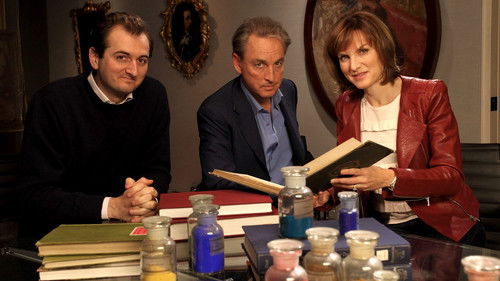
Writer Keith Tutt asks the team to investigate a painting he bought speculatively as a possible work by French post-impressionist Édouard Vuillard. Archival research uncovers a strong documentary trail, while the discovery of a companion picture helps reconstruct the work’s history and gives the owners a chance to secure formal recognition.
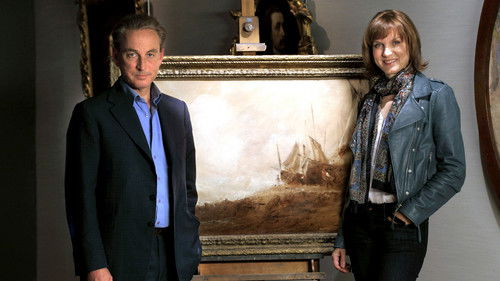
Two marine landscapes attributed to John Constable are examined. One, Yarmouth Jetty, has been heavily altered by later overpainting, while the other, A Sea Beach, Brighton, was once owned by the Museum of Fine Arts, Boston before being deaccessioned. The investigation asks whether technical evidence can recover the identity of works obscured by restoration and changing expert opinion.
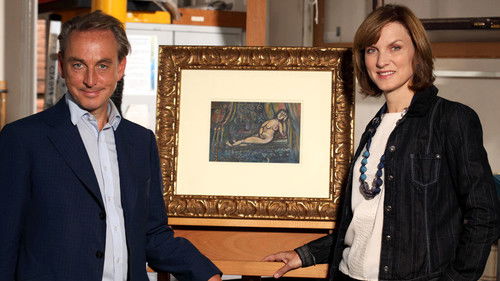
A Leeds property developer believes that Nude, 1909–10 may be an unknown work by Marc Chagall. Fiona and Philip trace its provenance and submit it to scientific testing, but the discovery of pigments unavailable at the claimed date raises the possibility of a sophisticated modern forgery. The case ultimately reaches the committee responsible for authenticating Chagall’s work.
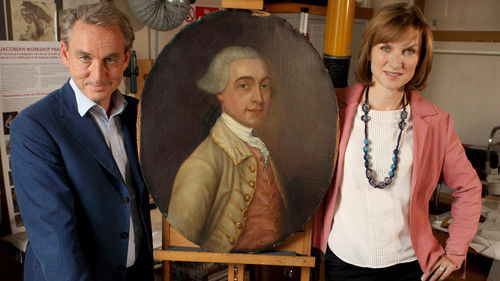
The team selects two publicly owned paintings from the BBC’s Your Paintings project for investigation: Imaginary Landscape and a portrait of Joseph Gape. Research, conservation evidence and specialist analysis are used to determine whether both neglected works can be connected to Thomas Gainsborough and restored to his accepted body of work.