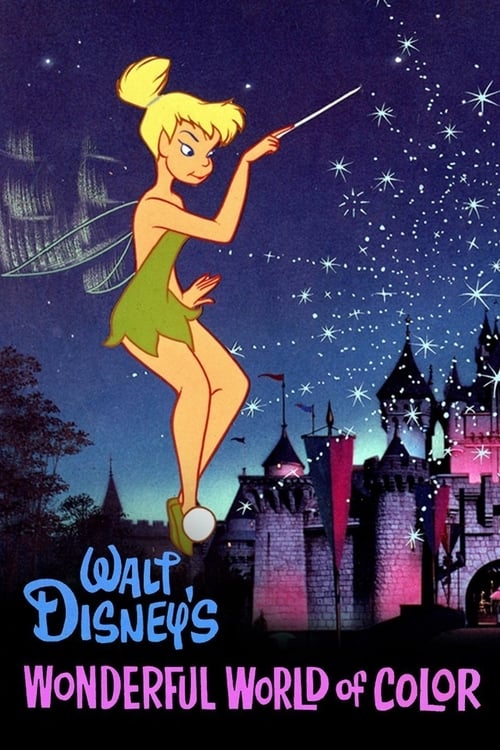
The Wonderful World of Disney

The Wonderful World of Disney

Walt Disney Productions has produced an anthology television series under several different titles since 1954. The original version of the series premiered on ABC, Wednesday night, October 27, 1954. The show, which was hosted by Walt Disney until his death and then from 1996 to 2002 by then-CEO Michael Eisner (with one-off hosts or no hosts during other periods) has since aired continually as either a weekly program or an irregular series of specials on several networks and streaming services, most recently on ABC and Disney+. The show is the second longest showing prime-time program on American television, behind its rival, Hallmark Hall of Fame. However, Hallmark Hall of Fame was a weekly program only during its first five seasons, while Disney remained a weekly program for more than forty years.
12. Mars and Beyond

Mars and Beyond
7.3Dec 4, 1957 · 60 min

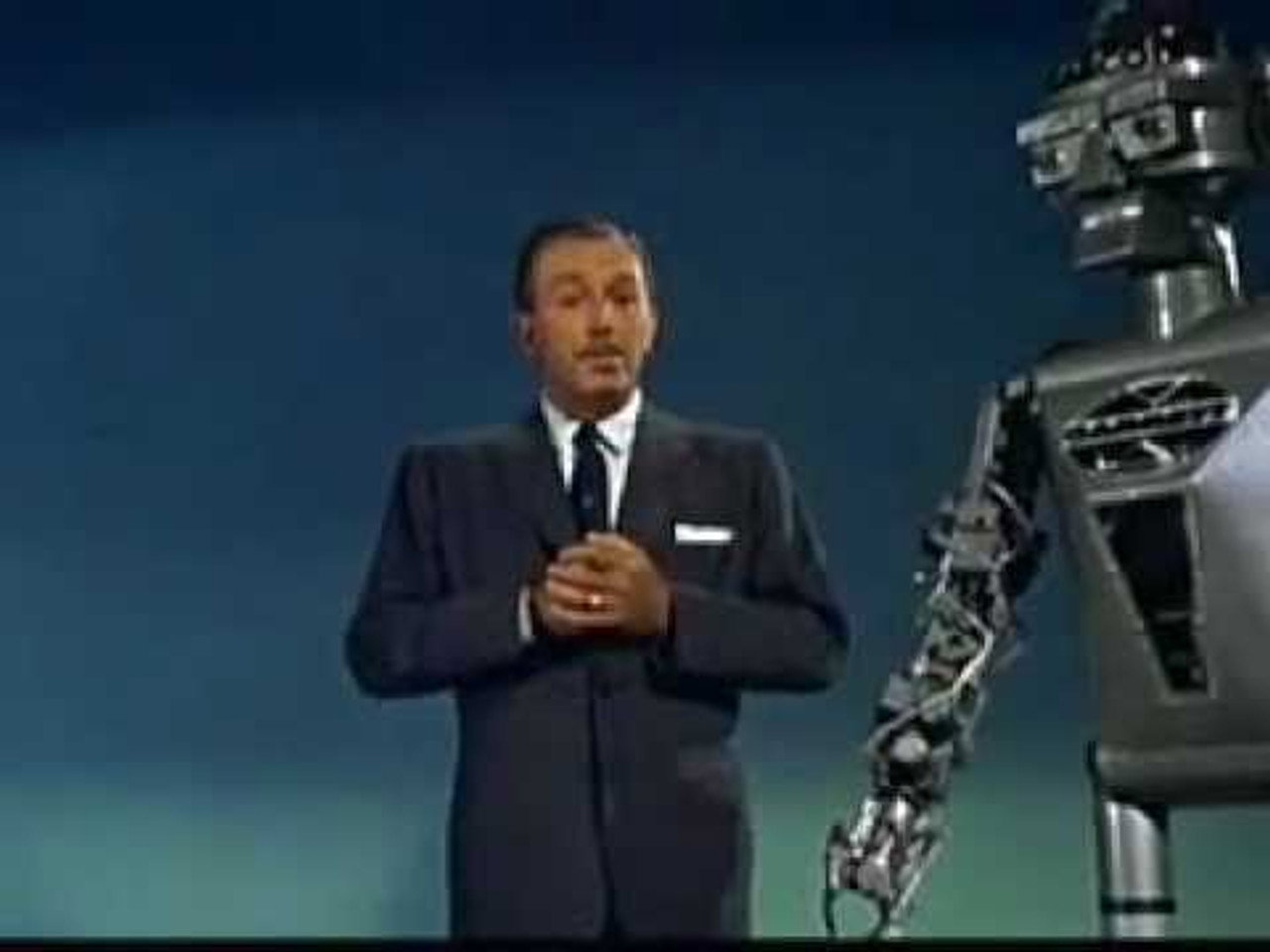
"Mars and Beyond" is an episode of Disneyland which aired on December 4, 1957. It was directed by Ward Kimball and narrated by Paul Frees. This episode discusses the possibility of life on other planets, especially Mars. It begins with an introduction of Walt Disney and his robot friend Garco, who provide a brief overview. It continues with an animated presentation about mankind seeking to understand the world in which he lives, first noticing patterns in the stars, and developing certain beliefs regarding the celestial bodies. Theories from scientists and philosophers are discussed, including Ptolemy's inaccurate, but formerly-accepted theories, as well as those of Copernicus. Life on other planets is considered, soon focusing on Mars. Ideas from science-fiction authors H.G. Wells and Edgar Rice Burroughs are brought to life with more colorful animation. Pulp science fiction comics of the time are parodied in the same straightforward tone as everything else. After this, the program adopts a serious tone as it profiles each of the planets in the solar system, from the perspective of what would happen to a man on them. The program claims that whereas most of the planets are either too cold or too hot for life as we know it, life on Mars could almost be normal, something that is of increasing importance for the future. Dr. E.C. Slipher then discusses the Red Planet and the possibility that life is already there. More animation speculates what the conditions on Mars might be like. This section is filled with striking, inventive and atypical Disney animation.