Last Call: When a Serial Killer Stalked Queer New York
In the early 1990s, with homophobia and hate crimes on the rise as the AIDS crisis worsens, a serial killer preys upon gay men in New York City, infiltrating queer nightlife to find his victims.

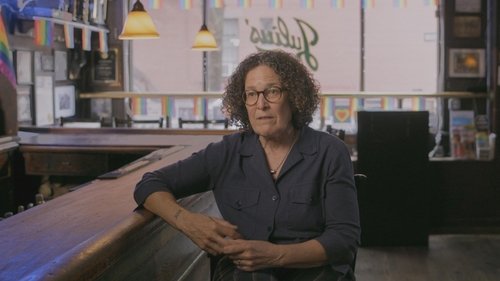
When a dismembered body is found in New Jersey in 1992, the crime scene poses striking similarities to a murder a year prior — a case that went cold. Both victims were affluent and closeted men, last seen at a piano bar in Manhattan. The Anti-Violence Project pushes the police to investigate a potential serial killer stalking gay men in New York City.

A third victim is part of the world of the queer community’s most vulnerable population: sex workers of color. While the AVP is pressuring the NYPD and media to connect the murders, another piece of evidence leads investigators to Staten Island.

A clear pattern of a serial killer emerges with a fourth murder, prompting the creation of a multi-jurisdictional task force and the first coverage from national newspapers. An eyewitness leads to a huge break: a potential name and description of the suspect.
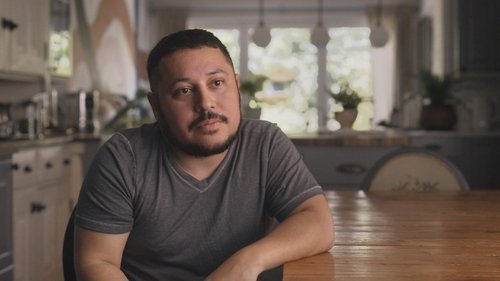
A break in forensic technology leads investigators to a suspect: a nurse living on Staten Island. The next step is to decipher his past—a quest that takes them back almost 30 years to a murder in Maine—and to make sure he doesn’t evade justice.